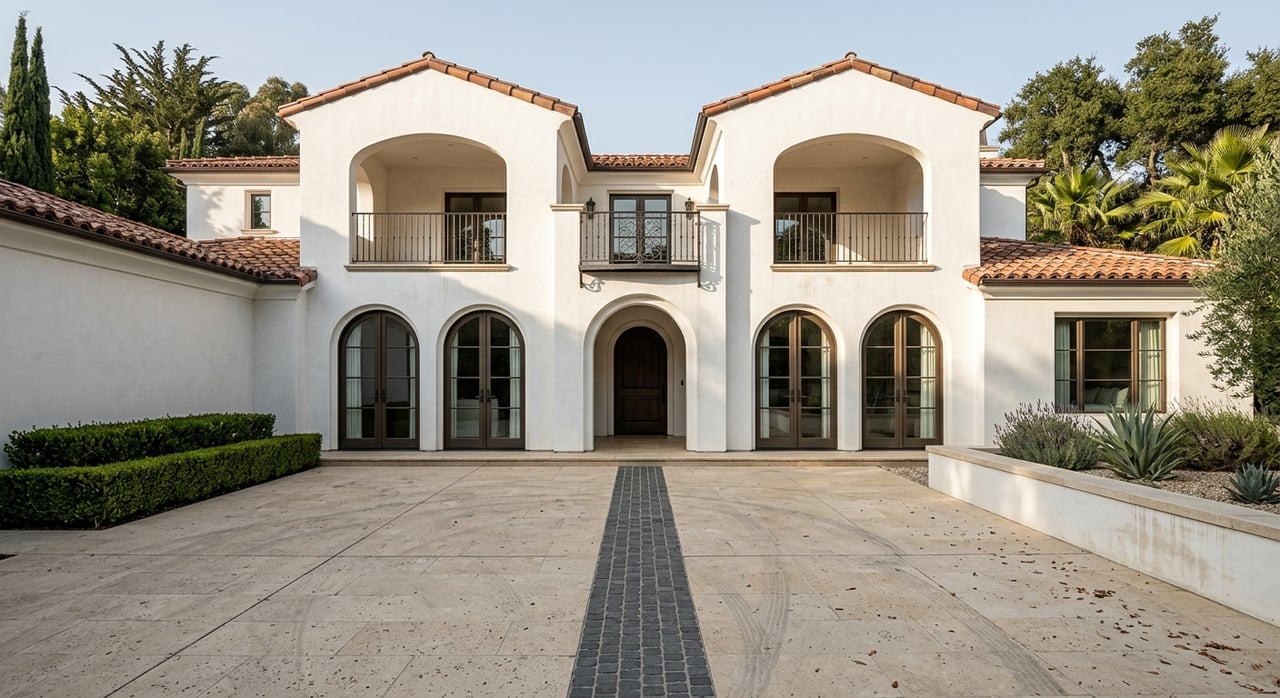
Wondering why one Bel Air home trades at one level while another reaches a completely different price tier? In Bel Air, that gap usually comes down to much more than square footage or bedroom count. If you are buying, selling, or simply trying to understand this market, it helps to know how Bel Air pricing really works. Let’s break it down.
Bel Air Is a Tiered Luxury Market
Bel Air is not a one-price neighborhood. It is better understood as an estate market with several layers, shaped by lot quality, privacy, topography, architecture, and long-term usability.
Los Angeles City Planning describes the original Bel Air Estates subdivision as a 1922 estate district with irregular parcels, winding hillside streets, privacy walls and gates, and lots large enough for lawns, gardens, pools, and tennis courts. That estate identity still matters today because buyers are often paying for a combination of land, privacy, and prestige, not just the house itself.
Current market numbers also show why strict price cutoffs do not tell the full story. Realtor.com’s April 2026 snapshot for Bel Air shows 153 homes for sale, a median listing price of $6.499 million, a median sold price of $2.5455 million, a median price per square foot of $1,301, and median days on market of 61. Redfin’s March 2026 data shows a median sale price of $3.1 million and homes taking about 121 days to sell.
That spread between asking prices and closed sales points to a segmented market. In plain terms, Bel Air works best when you think in relative tiers like lower luxury, core luxury, and trophy estate rather than one fixed price ladder.
Lower Luxury in Bel Air
The most accessible tier in Bel Air is still firmly luxury real estate. This is not an entry-level market in the broader Los Angeles sense, even at the lower end of the neighborhood’s price spectrum.
Homes in this tier are often smaller by Bel Air standards, with simpler lots, fewer estate-style amenities, and less dramatic views or less prominent micro-locations. You may still find strong design, generous square footage, and an appealing address, but the property may not offer the full estate experience that commands top-tier pricing.
In this part of the market, value often comes down to practicality. Buyers tend to focus on move-in condition, a functional floor plan, parking, ease of access, privacy, and whether the property could support future updates or expansion.
That last point matters in Bel Air because hillside rules can affect what is realistically possible. The Baseline Hillside Ordinance covers issues like setbacks, floor area, height, lot coverage, grading, parking, fire protection, street access, and sewer connection. If a site is steep or already pushed close to its buildable limits, that can cap future upside.
What Usually Defines Lower Luxury
- Smaller homes relative to the neighborhood
- Simpler or less usable lots
- Fewer outdoor amenities
- More modest views or privacy
- Strong value tied to functionality and future potential
Core Luxury Is Where Lot Quality Starts to Lead
The middle of the Bel Air market is often where the balance shifts. At this level, buyers are not just paying for a prestigious address. They are paying for both the home and the quality of the land under it.
This tier often includes renovated or rebuilt homes on stronger sites. Los Angeles City Planning notes that many properties in the original subdivision have been demolished and replaced, and some smaller lots have been absorbed into adjoining parcels to create larger homes. That helps explain why many core luxury properties feel more complete as private estates, even when they are not historically original homes.
In practical terms, this is where you start to see larger kitchens and gathering areas, better indoor-outdoor flow, wider terraces, pools, gardens, guest spaces, and sometimes tennis courts. These homes tend to feel more intentional as lifestyle properties rather than simply expensive houses in a coveted location.
Lot shape and terrain play a major role here. The city’s survey materials note that the area shifts from flatter land in the south to steeper hills in the north, with streets that follow the terrain. Two homes with similar interior size can land in very different value ranges if one sits on a flatter, more usable pad and the other is on a steeper or more awkward hillside parcel.
Why the Lot Matters So Much
A strong lot can change how a home lives day to day. In Bel Air, buyers often pay premiums for:
- Flat or more usable outdoor space
- Better access and parking
- Wider view corridors
- More privacy from neighboring properties
- More flexibility for future renovation or rebuilding
When you compare homes in Bel Air, this is often the point that explains the biggest surprises. A house can look similar on paper but feel completely different in person because of the site.
Trophy Estates Sit in a Category of Their Own
At the top of the Bel Air market, pricing becomes less about broad neighborhood averages and more about rarity. This is the trophy estate category, where scarcity, spectacle, and pedigree all start to drive premiums.
These properties are usually defined by a rare alignment of features: large or assembled lots, panoramic views, standout architecture, a high level of privacy, and a full estate amenity package. That package may include multiple structures, pools, tennis courts, wellness areas, and guest accommodations.
The historic identity of Bel Air adds to this upper tier. Planning materials point to original estate-community features such as gatehouses, underground utilities, planned bridle trails, and country-club amenities, all of which continue to shape the neighborhood’s prestige. In the ultra-luxury bracket, that story matters because buyers are often paying for provenance and setting as much as they are paying for the residence itself.
Architectural pedigree can also command a premium. Survey materials for the broader Bel Air and Beverly Crest area identify architect-linked estates and prominent residential designs, which helps explain why certain homes stand apart even within an already rarefied market.
Current listings show how wide the top end can stretch. One Bel Air listing cited by Redfin features an 8-acre promontory lot and roughly 70,000 square feet of living space. The exact number is not the takeaway. The takeaway is that Bel Air’s trophy tier is truly separate from the neighborhood’s lower luxury bands.
The Real Drivers Behind Bel Air Prices
If you are asking what makes one Bel Air home worth far more than another, the answer usually comes down to a short list of value drivers. These are the features that tend to shape pricing across every tier.
Lot Usability and Size
In Bel Air, land is often the first filter. A larger, more usable lot with room for outdoor living, recreation, and privacy usually supports stronger pricing than a steep or constrained parcel.
Flat Pad Versus Steep Hillside
A flatter site often offers easier access, more straightforward design, and a more practical outdoor layout. A steeper hillside parcel may still be desirable, especially for views, but it can introduce trade-offs in usability and future building potential.
Views and Privacy
Views matter, but they are not the whole story. A wide view corridor paired with strong privacy, gates, walls, and a quiet setting tends to carry more weight than a view alone.
Architecture and Design Pedigree
Well-executed design matters throughout Bel Air, but the premium grows when a property has recognized architectural significance or a distinct estate presence. In the top tier, buyers often reward uniqueness and lasting design value.
Remodel Quality and Rebuild Potential
Some buyers want a finished home. Others are focused on what a site could become over time. In either case, the condition of the house and the realistic ability to expand or rebuild can directly influence pricing.
Regulations Also Shape Value
Bel Air sits within a hillside regulatory environment, and that affects timelines, budgets, and long-term plans. The City of Los Angeles applies Hillside Construction Regulations in the Bel Air and Beverly Crest Community Plan Area, with rules tied to single-family hillside development.
Those rules can affect setbacks, floor area, height, grading, parking, fire protection, street access, and sewer connection. For buyers and sellers, that means the same renovation or rebuild idea may be straightforward on one parcel and much more complex on another.
Fire-zone considerations also matter. The Los Angeles Fire Department says portions of Bel Air Estates fall within the Very High Fire Hazard Severity Zone, and the department notes that 2025 state fire-hazard maps may affect building and vegetation-management requirements.
This does not mean every property faces the same constraints. It does mean due diligence matters, especially if you are valuing a property based on future development, expansion, or major renovation potential.
How to Read Bel Air Pricing More Accurately
If you are trying to make sense of a listing or prepare your own home for sale, avoid comparing properties by price per square foot alone. In Bel Air, that shortcut can miss the factors that actually drive buyer decisions.
A more useful approach is to ask a few practical questions:
- How usable is the lot?
- Is the site relatively flat or significantly sloped?
- How private is the setting?
- Are the views broad, limited, or blocked?
- Does the home feel move-in ready, renovated, or dated?
- Is there realistic room to expand or rebuild under current hillside rules?
- Does the property offer a true estate lifestyle, or just a Bel Air address?
Those questions usually reveal where a home fits within Bel Air’s pricing hierarchy much faster than a headline number alone.
Why This Matters for Buyers and Sellers
For buyers, understanding Bel Air’s tiers can help you focus on what actually creates long-term value. You may decide that a more usable lot and easier access matter more than a dramatic but constrained hillside setting.
For sellers, this framework helps position a property more effectively. If your home belongs in the lower luxury tier, pricing it like a trophy estate can slow momentum. If it offers rare land quality, privacy, and estate amenities, those features should lead the story.
In a market as layered as Bel Air, strategy matters. The strongest outcomes usually come from matching the property’s real strengths to the right buyer expectations and a smart pricing plan.
If you are thinking about buying or selling in Bel Air, working with a local agent who understands micro-markets, lot value, and presentation can make a meaningful difference. For tailored guidance, marketing strategy, or a property-specific valuation, connect with Laila Merchant.
FAQs
What does lower luxury mean in Bel Air real estate?
- In Bel Air, lower luxury usually refers to the neighborhood’s more accessible tier, but it still consists of multimillion-dollar homes with premium location value, smaller or simpler lots, and fewer estate-scale features.
What makes one Bel Air home more expensive than another?
- The biggest factors are lot usability, privacy, views, topography, architectural quality, condition, and whether the site can support future renovation or rebuilding.
Do views or lot usability matter more in Bel Air home prices?
- Both matter, but a highly usable lot often carries major weight because it affects daily livability, outdoor space, access, and long-term flexibility.
How do hillside rules affect Bel Air property value?
- Hillside regulations can shape what you can build, expand, or reconfigure, which affects a property’s future potential, project timeline, and overall market value.
Are all Bel Air luxury homes considered trophy properties?
- No. Bel Air includes multiple tiers, and trophy estates represent a small upper segment defined by rare land, strong privacy, standout architecture, and full estate amenities.
Is price per square foot enough to compare Bel Air homes?
- No. Price per square foot can be a helpful reference, but it does not fully capture lot quality, views, privacy, terrain, or rebuild potential, which are often the real price drivers in Bel Air.