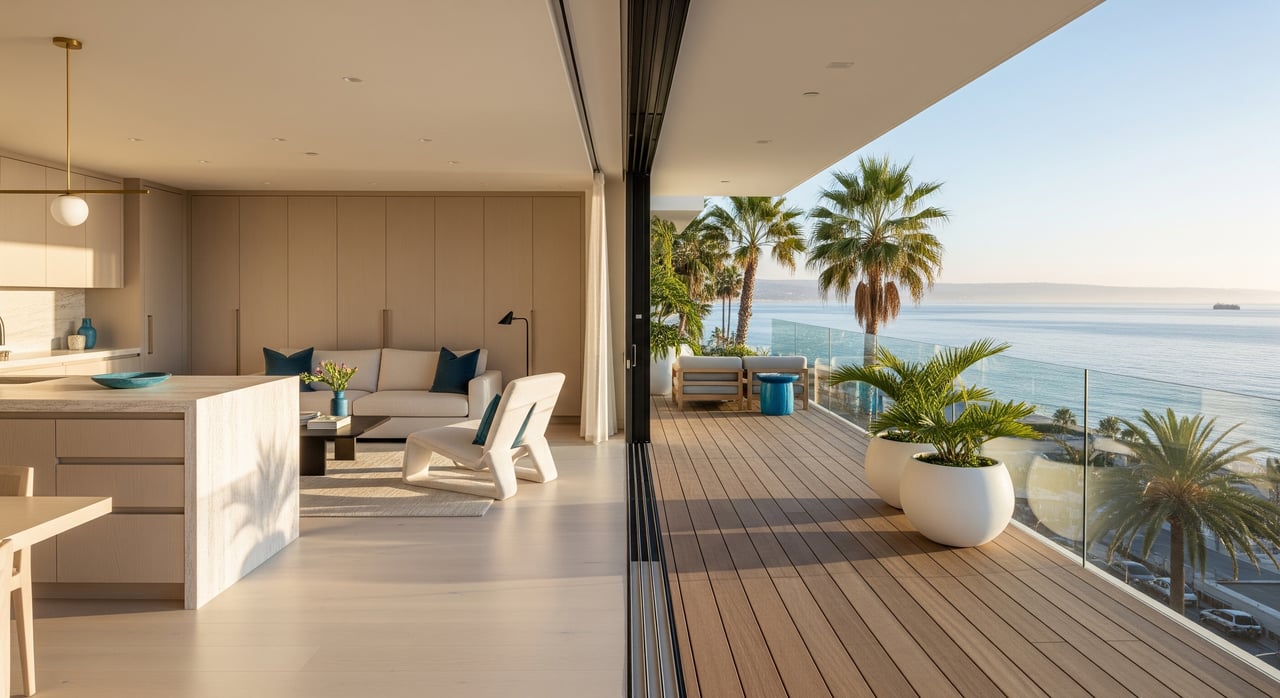
Dreaming of beach living without the yard work? A condo or townhome in Santa Monica can give you coastal access, a walkable lifestyle, and lower maintenance than a single-family home. If you are a first-time buyer, downsizer, or shopping for a pied-à-terre, you have great options. In this guide, you will learn where these homes cluster, how to budget for HOA dues and insurance, what to check in the HOA, how financing works for condos, and which inspections matter most near the coast. Let’s dive in.
Why buy a Santa Monica condo or townhome
Santa Monica blends beach access, shopping, dining, and transit into an easy daily routine. You can lock and leave, skip yard care, and still enjoy premium Westside convenience. Attached homes typically cost less than single-family homes in the same area, though price per square foot can be higher due to location.
If you want a car-light lifestyle near the Expo Line, a second home by the beach, or a simpler base close to West LA employment centers, a condo or townhome can be a smart fit. Smaller homes near transit and the beach often sell faster and may be more competitive, so preparation helps.
Where condos and townhomes cluster
Downtown and Third Street Promenade
You will find a higher concentration of mid- and high-rise buildings with mixed-use convenience. Expect rooftop decks, gyms, and easy access to dining and shopping. This suits you if you want an urban, walkable lifestyle and quick beach access.
Ocean Avenue and the Pier
This area features luxury towers and boutique buildings with ocean views and premium pricing. Supply is limited. If views and full-service amenities top your list, start here.
Wilshire and Montana corridor
North Santa Monica offers low-rise condos and small townhome developments. Montana Avenue leans toward higher-end boutique buildings with a neighborhood feel and local shops. You get a balance of calm streets and walkable amenities.
Ocean Park and Main Street
South Santa Monica brings a mix of older low- to mid-rise buildings and modern infill townhomes. You may see somewhat more approachable prices than oceanfront hot spots while staying close to the beach and local eateries.
Pico, Bergamot, and southeast Santa Monica
This area includes townhouse complexes and mid-rise condos that can offer lower price points compared to downtown or the oceanfront. First-time buyers often start here for value and access to city amenities.
Infill townhome pockets
Across the city, you will find small 2 to 4 unit townhome developments and courtyard-style complexes. These often provide multiple levels and small private outdoor spaces for a single-family feel without full maintenance.
What your budget should include
Buying a condo or townhome involves several recurring costs. Build these into your plan from day one.
- HOA dues. Expect a range from a few hundred dollars per month to well over $1,000 per month. Fees reflect building age, amenities, and included services. Confirm exactly what your dues cover, such as water, trash, insurance portions, reserves, cable, landscaping, and building maintenance.
- Property taxes. California property tax is roughly 1% of assessed value, plus any local assessments. Review the most recent tax bills for the building and unit.
- Insurance. You will likely need an HO-6 policy for interior, contents, and liability coverage. Confirm what the association’s master policy covers, such as structural elements or just common areas, and whether it is all-in or bare walls.
- Utilities, parking, and assessments. Some HOAs include certain utilities. Others bill them separately. Ask about deeded parking, EV charging, guest parking, and any additional parking costs. Review the history of special assessments and the reserve fund level to evaluate future risk.
HOA health and rules to review
California common interest developments follow the Davis-Stirling Act, and sellers must deliver required HOA disclosures during escrow. You will want to carefully review the association’s governance and financials.
- Core documents to request: CC&Rs, bylaws, rules and regulations, recent financial statements, operating budget, reserve study, meeting minutes for the last 12 to 24 months, insurance certificates, rent or occupancy policies, and details on pending or past litigation.
- Financial red flags: Thin reserves, high delinquency rates, or deferred maintenance. A low monthly fee can mask future repair needs, while higher fees may fund stronger amenities and a well-supported reserve plan.
- Litigation and lending: If the association is in significant litigation, certain loan programs may not allow financing in the project. Confirm project eligibility early with your lender.
- Rental rules: HOAs set rental restrictions, and Santa Monica has strict rules for short-term rentals. If you plan to rent the home or use it as a pied-à-terre with occasional shorter stays, confirm both HOA policies and city regulations before you buy.
Financing a condo or townhome
Condo financing adds steps because lenders review both your qualifications and the building’s profile.
- Project approval matters. Many conventional, FHA, and VA loans require that the condo project meet underwriting standards. This can include acceptable owner-occupancy rates, adequate reserves, and limits on commercial space. Some lenders offer spot approvals or alternatives, but they may add cost or require extra documentation.
- Down payments and loan type. First-time buyers can sometimes use conventional loans with 3 to 5 percent down, but condo underwriting may push toward higher down payments. Given local prices, you may need a jumbo loan. Expect stricter debt-to-income and cash reserve requirements than for single-family homes.
- Insurance requirements. Your lender will verify what the HOA’s master policy covers and may require a walls-in HO-6 policy. Flood and earthquake coverage are separate from standard condo policies.
- Title and assessments. Ask your escrow team to confirm any transfer taxes, Mello-Roos, or outstanding special assessments so your closing statement is accurate.
Inspections that matter near the coast
Coastal weather accelerates wear. Prioritize building condition and life-safety items, not just the unit finishes.
- Stucco and moisture intrusion. Look for staining, past repairs, and waterproofing details. Ask about prior remediation.
- Balconies and exterior metal. Salt air can corrode railings and fasteners. Inspect balconies, flashing, sealants, and metal frames closely.
- Shared systems. Check the maintenance history of roofing, elevators, plumbing risers, centralized boilers or HVAC, gas lines, and seismic bracing. Review replacement schedules and reserve allocations for these systems.
- Pest and WDO inspections. Termite and dry rot inspections are standard. Request prior treatment records.
- Fire and life safety. Confirm testing history for alarms, sprinklers, emergency lighting, and egress. In high-rises, verify code compliance and recent upgrades.
- Sound and privacy. Ask about noise between units, wall and ceiling assemblies, and any soundproofing upgrades. Review building rules for noise and alterations.
- Townhome specifics. If the roof is your responsibility, evaluate roof age, deck drainage, and flashing. In multi-level homes, check for settlement or foundation concerns.
Lifestyle factors to compare
Amenities and building culture shape your daily experience and your monthly dues.
- Amenity tradeoffs. Gyms, pools, doormen, concierge, rooftop decks, bike rooms, and guest parking add convenience but can raise HOA fees. Decide what you will use weekly.
- Parking and transport. Confirm the number and location of deeded spaces, EV charging availability, and guest parking rules. Proximity to the Expo Line can reduce daily driving.
- Pets. HOA pet rules vary. Verify types, sizes, and any breed restrictions before you write an offer.
- Noise and events. Downtown and oceanfront spots can be lively. Visit at different times to gauge building and street activity.
- Resale and rental outlook. Units near transit and the beach often have strong resale demand. Rental potential may be limited by HOA rules and city restrictions on short-term stays, so avoid assuming income.
A smart step-by-step plan
Get preapproved and set your budget. Ask your lender to discuss condo project criteria, down payment targets, and reserve requirements so you avoid surprises later.
Choose target micro-areas. Rank what matters most to you, such as walkability, ocean views, amenities, parking, or quieter streets. Narrowing focus helps you act quickly when the right home appears.
Tour with a checklist. Note building condition, lobby and common areas, parking layout, elevator count, package delivery systems, and noise levels at different times of day.
Pre-offer due diligence. Request recent HOA financials and rules when available. Your agent can help you spot red flags like thin reserves or planned major projects.
Write a competitive offer. Smaller homes near the beach or transit can move quickly. Strong financing, clear timeframes, and flexibility on non-financial terms can help.
Deep-dive during escrow. Review CC&Rs, minutes, reserve studies, insurance certificates, and any litigation disclosures. Order targeted inspections for stucco, balconies, termites, and shared systems.
Plan for move-in needs. Line up HO-6 insurance, utilities, elevator reservations if needed, and pet registration or parking applications per HOA rules.
Tips by buyer type
If you are a first-time buyer
- Focus on total monthly cost, not just price. Include HOA dues, taxes, insurance, and parking costs to see the full picture.
- Ask your lender early about project approval and whether conforming or jumbo financing fits your plan.
- Consider a micro-area with strong access to transit or shops for long-term resale appeal.
If you are downsizing
- Prioritize single-level layouts, elevator access, and parking proximity for convenience.
- Compare HOA reserve strength and maintenance history. Stable buildings can reduce future surprises.
- Choose amenities you will use regularly instead of paying for features you will not.
If you want a pied-à-terre
- Confirm HOA and city rules on rentals and guests, especially for occasional stays.
- Look for easy lock-and-leave security, package handling, and reliable building management.
- Proximity to dining, the beach, and the Expo Line can maximize your time in town.
Get local guidance that moves you forward
When you buy a condo or townhome in Santa Monica, the right preparation protects your time and budget. From targeted neighborhood selection and condo project eligibility to HOA health and coastal inspections, you deserve a plan that fits your lifestyle and goals. Ready to find the right place by the beach? Connect with Laila Merchant to schedule a consultation and get tailored guidance for your next move.
FAQs
How much are typical HOA dues in Santa Monica condos?
- HOA dues often range from a few hundred dollars per month in older, minimal-amenity buildings to over $1,000 per month in luxury towers. Always verify what is included and review reserve funding.
Can I use an FHA or VA loan for a Santa Monica condo?
- Possibly. The project must meet FHA or VA condo approval criteria, and not all buildings qualify. Speak with your lender early to confirm project eligibility and alternatives.
What inspections are most important for coastal condos and townhomes?
- Prioritize stucco and moisture intrusion checks, balcony and exterior metal inspections, termite and dry rot reports, roof and shared system assessments, and fire and life-safety reviews.
Are short-term rentals allowed for Santa Monica condos?
- Santa Monica has strict short-term rental rules and many HOAs limit rentals as well. Confirm both city regulations and HOA policies before assuming any rental income.
What should I review in HOA documents before I buy?
- Review CC&Rs, bylaws, rules, recent financials, the reserve study, meeting minutes for the last 12 to 24 months, insurance certificates, rental policies, and any disclosures about litigation or upcoming projects.
Do condos appreciate as well as single-family homes in Santa Monica?
- Appreciation depends on location, building quality, and market conditions. Condos usually offer a lower entry price and less maintenance, while you trade some control and privacy for HOA dues and shared systems.