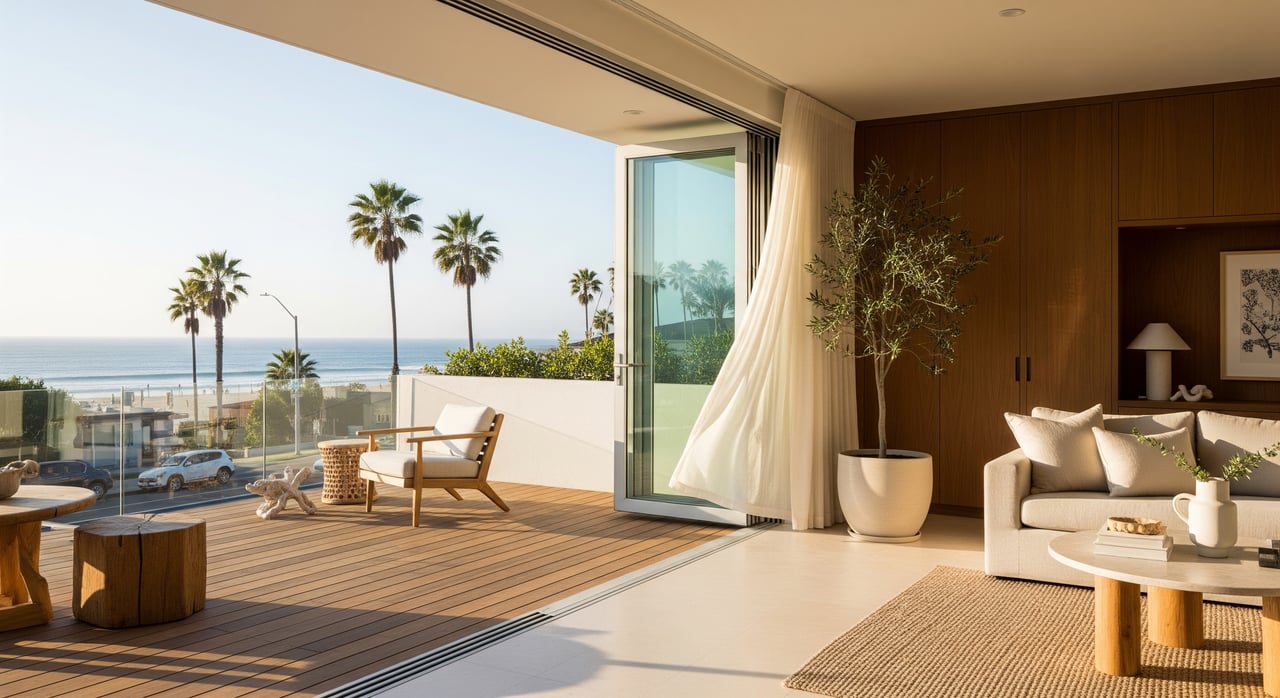
Trying to decide which Santa Monica neighborhood fits your day to day? With sun-soaked beaches, pocket parks, and blocks that shift from lively to laid-back in minutes, the choices can feel exciting and a bit overwhelming. You want a clear picture of walkability, beach access, commutes, and the trade-offs that come with each area. This guide breaks down how everyday life looks across Downtown, Ocean Park, Sunset Park, and north of Montana, plus tips on transit, parking, schools, and housing types. Let’s dive in.
Santa Monica at a glance
Santa Monica is compact, about 8 to 9 square miles, with a population in the low 90,000s. The Mediterranean climate keeps outdoor life going year-round, so you see a lot of walking, biking, and beach time. The local economy blends tourism, health care, higher education, and a growing tech and creative scene across “Silicon Beach.” Many residents work nearby on the Westside, while others commute to Downtown Los Angeles or UCLA.
Getting around is easier than in many LA areas. The Metro E (Expo) Line ends in Downtown, Big Blue Bus runs frequent routes, and the city supports biking and micro-mobility. Driving is still common, but traffic tightens near tourist spots like the Pier and Third Street Promenade. Parking is managed closely and is a real factor in daily life.
Downtown Santa Monica: walkable and lively
If you want maximum convenience, Downtown delivers. Third Street Promenade and the Pier anchor a pedestrian-friendly core with shopping, dining, and entertainment. Many buildings sit within an easy walk of the beach, and the E Line station puts rail transit at your doorstep.
Housing is a mix of newer luxury towers, boutique mid-rises, older apartments, and condos. You trade a quieter vibe for energy, crowds, and premium pricing, especially close to the water. Parking can be challenging, and tourism creates busy weekends. If you value car-light living and nightlife, this area is hard to beat.
Ocean Park and Main Street: coastal community feel
Just south of Downtown, Ocean Park blends beach access with a true neighborhood rhythm. Main Street offers local restaurants, cafés, and shops, plus a friendly, small-scale feel. Streets are walkable near Main and the beach, with bike-friendly routes to the sand.
Housing ranges from Craftsman cottages and bungalows to mid-century homes, small apartments, and newer infill condos. Compared with the Pier area, prices can be somewhat lower, and the vibe is more relaxed. Some blocks near nightlife see periodic noise, so it helps to visit at different times of day. If you want beach access with a community heartbeat, this pocket is a sweet spot.
North of Montana: space, privacy, and polish
North of Montana is known for tree-lined streets, larger lots, and a refined retail stretch along Montana Avenue. You can run daily errands on foot around Montana’s boutiques and cafés, but getting to the beach usually means a short drive or bike ride.
Housing skews to larger single-family homes, upscale remodels, and limited luxury condos. This area prioritizes quiet streets and privacy. You often see households who want more space and strong access to Santa Monica–Malibu Unified School District schools choosing this part of town. The trade-off is higher purchase prices and more upkeep for larger properties.
Sunset Park: room to spread out
Sunset Park sits south and central, with a residential feel and a mix of post-war single-family homes, mid-century houses, duplexes, and small apartment buildings. Walkability is more limited here, and the beach can be a 20 to 40 minute walk from some blocks. You will likely rely on a car more than in coastal pockets.
The draw is value and space within Santa Monica city limits. Yards are often larger than you find in more central or north-of-Montana locations, and interiors can offer more square footage for the price. Fewer high-end retail and dining options are within immediate walking distance, but you gain a calmer daily routine.
Other pockets to know
- Pico / Exposition Corridor: Closer to the E Line, mixed-income and mixed-use blocks, and older apartments with some newer redevelopment near transit. Commute convenience is a plus, while housing density varies block by block.
- Bergamot / Santa Monica Arts District / Santa Monica Canyon: Bergamot hosts galleries and creative businesses, while the Canyon has a village-like coastal feel with cottages and single-family homes. Everyday retail is more limited in some of these pockets, but the cultural scene and beach proximity stand out.
Getting around: transit, driving, and biking
- Rail and buses: The Metro E (Expo) Line runs east from Downtown Santa Monica toward Culver City and Downtown LA. Big Blue Bus links neighborhoods to UCLA, West LA, and nearby job centers. If you plan to commute by transit, living near the E Line or key bus routes helps.
- Driving and traffic: Distances are short in Santa Monica, but travel times swing by time of day. Expect more congestion near the Pier, Promenade, and Main Street, especially on weekends and holidays.
- Parking: The city actively manages curb space and lots, and residential permit programs are common. If you own a car, factor in your building’s parking and the rules on nearby streets.
- Biking and micro-mobility: A growing network of bike lanes supports short trips. Bike-share and e-scooters can fill the gaps between home, the beach, and errands.
Beach and outdoor life
Beach proximity shapes daily living. Homes near Ocean Avenue and the immediate waterfront offer quick access to the sand and the Ocean Front Walk bike path. If you live farther inland, you still reach the beach with a short drive or ride, but you trade some convenience for quieter streets.
Parks and public spaces are a big part of the lifestyle. Palisades Park offers dramatic bluff views, and Tongva Park adds green space steps from Downtown. Municipal pools and recreation programs make it easy to stay active year-round.
Housing types and market tiers
You will find a wide range of homes by neighborhood and block:
- Waterfront and Downtown: Luxury condos, boutique towers, and premium rentals are common, with the highest pricing tiers close to the sand and Pier.
- North of Montana: Upper-end single-family homes and limited luxury condos anchor this area. Larger lots and privacy are key draws.
- Ocean Park / Main Street / Pico: A blend of cottages, mid-century homes, small apartments, and newer condos sits at a mid-to-upper tier relative to the city.
- Sunset Park: Often the relative value play within Santa Monica, with post-war homes and duplexes that can offer more space for the price.
If you are price-sensitive, condos can be a more attainable path to ownership. Single-family homes across prime pockets move into higher price ranges quickly. Because pricing changes often, plan to review current data before you make decisions.
Schools and family routines
Most neighborhoods are served by the Santa Monica–Malibu Unified School District. The district includes several neighborhood elementary schools and Santa Monica High School as the main public high school. Private and charter options exist across the Westside.
If after-school programs, parks, and weekend activities are part of your routine, consider how close you are to Montana Avenue shops, local rec centers, and the beach. Many households who want larger lots and access to SMMUSD schools look at north of Montana or select inland pockets in Ocean Park and Sunset Park.
Regulations to know: rent control and short-term rentals
Santa Monica has a Rent Control Board and a long-standing rent control framework that covers many multi-family units built before a specific cutoff year. Rules can affect investors, landlords, and tenant protections. The city also strictly regulates vacation rentals and short-term stays, with permits and criteria required for many properties. If you plan to rent out a unit or buy with tenants in place, review current city policies before moving forward.
Parking, noise, and safety awareness
Tourist activity clusters near the Pier, Promenade, and parts of Main Street, so expect more noise and foot traffic there. North of Montana and many inland streets tend to be quieter. Property crime, such as theft and vehicle break-ins, is a common public concern in busy areas. Check recent city and police updates to understand patterns and best practices.
If you prefer a peaceful evening, choose homes a few blocks off commercial corridors. If you want to step out your door to restaurants and shops, accept more activity and plan for careful parking.
Choosing your fit: quick trade-offs guide
- Walkability vs quiet: Downtown, Main Street, and Montana Avenue offer strong walkability. Sunset Park and north of Montana offer calmer streets and larger lots, with more driving.
- Beach-first vs yard space: Waterfront living maximizes beach access but can mean smaller outdoor areas and more activity. Inland homes often add yards and privacy, with a short trip to the sand.
- Transit vs driving: If rail or bus access matters, live near the E Line or Big Blue Bus routes. If you drive, prioritize secure parking and learn neighborhood rules.
- Condo convenience vs single-family space: Condos bring amenities and lower maintenance. Single-family homes bring yards and privacy, with higher costs and upkeep.
- Budget realities: Santa Monica sits at a premium relative to much of LA. To maximize space for money inside city limits, Sunset Park and some Pico blocks often stand out.
What your week could look like
- Monday: Coffee on Montana, bike to Palisades Park, and a short rideshare to a Westside meeting.
- Wednesday: E Line to an event in Culver City, then a quick walk home from Downtown station.
- Saturday: Farmers market on Main Street, beach run, and dinner along Third Street Promenade.
- Sunday: Yard time in Sunset Park, then a late afternoon ride along the bike path.
Ready to explore homes?
You deserve guidance that blends neighborhood insight with smart strategy. Whether you want a car-light condo near the E Line, a cottage by Main Street, or a larger lot north of Montana, let’s map your options and next steps. Reach out to Laila Merchant for a friendly, data-informed plan tailored to your goals.
FAQs
Which Santa Monica neighborhood is most walkable?
- Downtown around Third Street Promenade, Montana Avenue, and Main Street in Ocean Park offer the strongest day-to-day walkability for errands, dining, and beach access.
Where do you find more space for the price in Santa Monica?
- Sunset Park and selected Pico/Exposition blocks often offer more interior space or yard size relative to other Santa Monica pockets, with trade-offs in walkability and proximity to the beach.
How long is the commute to Downtown LA from Santa Monica?
- Off-peak, the E Line can reach Downtown LA in under an hour, while driving times vary widely with traffic; your schedule and route choice strongly influence actual times.
Is parking difficult near the beach in Santa Monica?
- Yes, near the Pier, Promenade, and Main Street, expect paid parking, time limits, and active enforcement; residential permit zones help on some blocks.
What should investors know about rent rules in Santa Monica?
- The city has a rent control framework that covers many older multi-family units and strict short-term rental regulations; review current Rent Control Board and city policies before purchasing.