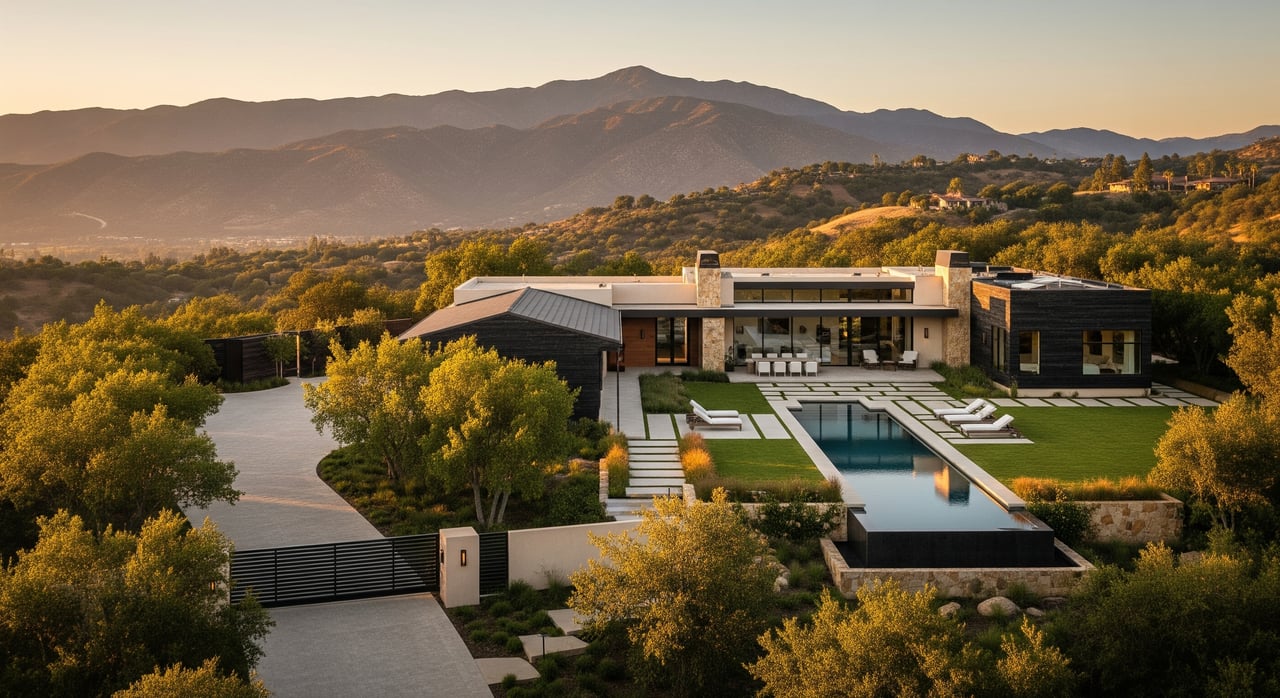
Thinking about Calabasas or Agoura Hills for your next move? If you want more space, strong community feel, and easier access to work and weekend fun, you are looking in the right area. Both cities sit near the Santa Monica Mountains with small‑city comfort and big‑city access, but the right fit depends on how you live day to day. In this guide, you will compare homes, lot sizes, commutes, and outdoor access so you can choose with confidence. Let’s dive in.
Location and regional access
Both cities sit along or near US‑101 on the inland side of the Santa Monica Mountains in Los Angeles County. You get relatively quick access to western Los Angeles, the Conejo Valley, and Malibu’s trailheads and beaches, but drive times vary widely with traffic.
Each city functions as a small suburb with roughly 20k to 25k residents and its own municipal services, while some regional functions are provided by Los Angeles County. Most addresses fall within the Las Virgenes Unified School District, which many families consider a key draw. Always verify school boundaries for a specific property before you decide.
Homes and lot styles
Calabasas snapshot
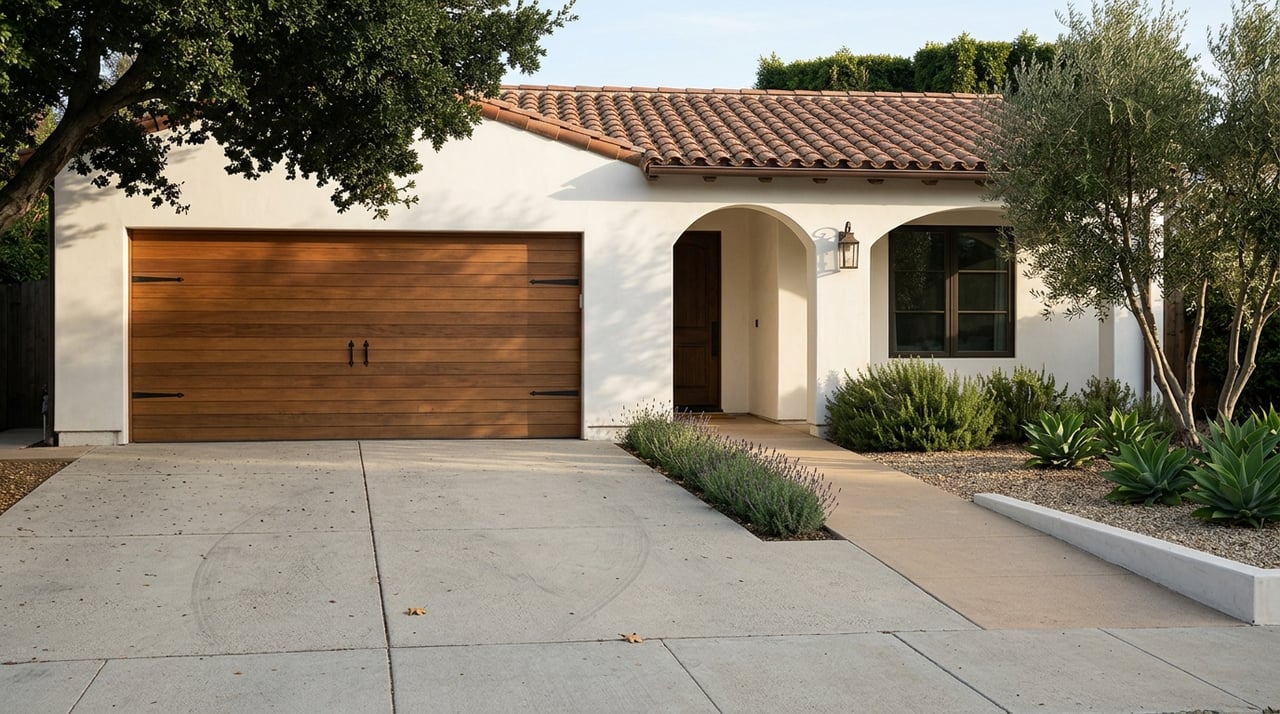
You will find a mix of single‑family homes, luxury estates, and newer planned developments from the 1990s onward. Many neighborhoods have architectural consistency and a higher share of gated enclaves with homeowner associations. There are also pockets of condos and townhomes near commercial areas.
Agoura Hills snapshot
Housing is more varied. Options range from traditional ranch and mid‑century homes to suburban tracts, hillside properties, and some larger semi‑rural or equestrian parcels on the outskirts. You will also find smaller condo and townhome communities closer to commercial corridors.
Lot sizes and yards
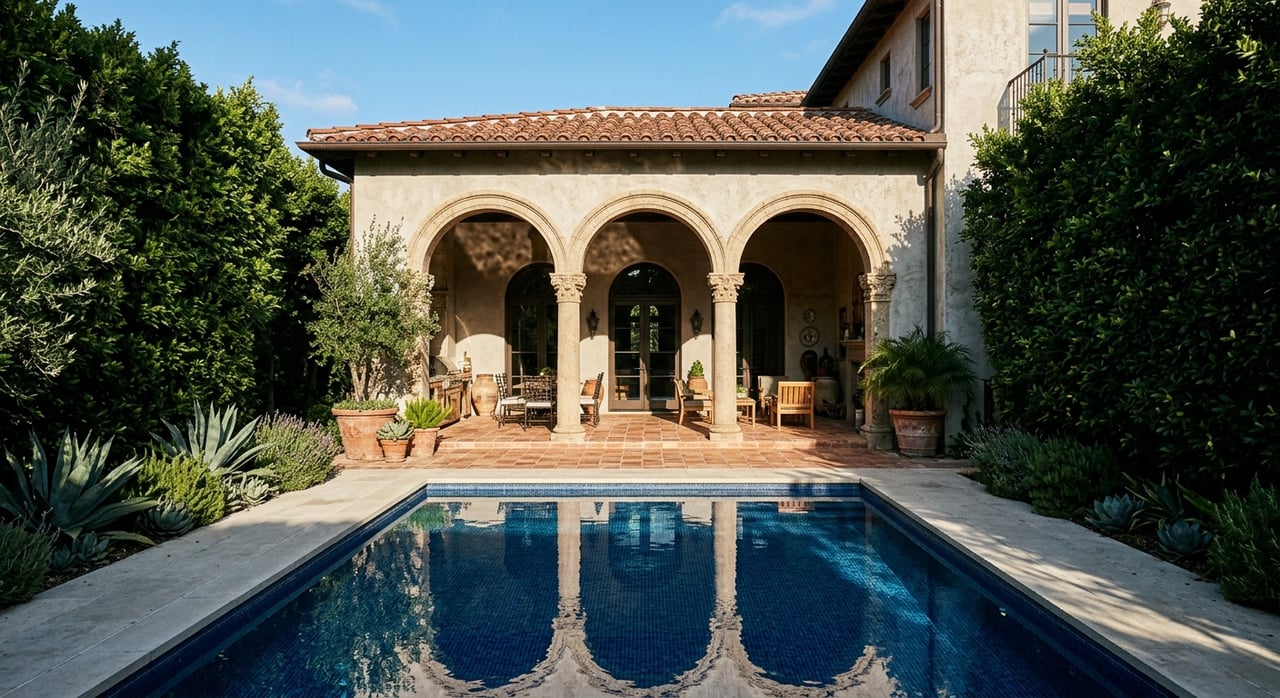
Agoura Hills generally offers greater variability in lot size, with more opportunities for larger yards, play space, and in some places equestrian use. Calabasas includes large estates in certain neighborhoods, but many planned communities prioritize site design and landscaping over very large private acreage. If yard space per dollar is a priority, Agoura Hills may offer more options in several neighborhoods, while Calabasas provides comparable scale at a premium.
HOAs and gated living
- Calabasas: Higher prevalence of gated communities and homeowner associations. HOA fees are common in newer or luxury enclaves and typically come with design rules and shared‑area standards.
- Agoura Hills: Fewer master‑planned gated communities. Some subdivisions and condo complexes do have HOAs, and fees and rules vary by property.
Price patterns and value
Historically, median sale prices in Calabasas trend higher than in Agoura Hills, often by several hundred thousand dollars. The difference is driven by luxury inventory, gated enclaves, and newer construction. Agoura Hills usually offers a wider range of price points and more entry paths to larger lots. Because market conditions change quickly, review current MLS data for price medians, inventory, and days on market when you are ready to tour.
Commutes and daily logistics
US‑101 is the primary corridor, and congestion can be heavy in peak hours and on summer weekends. Typical drive‑time ranges, depending on traffic and time of day, include:
- West Los Angeles or Santa Monica: commonly 30 to 60 minutes, often longer at peak times.
- Downtown Los Angeles: commonly 45 to 90 minutes or more.
- LAX: typically 35 to 70 minutes.
- Thousand Oaks and the Conejo Valley: commonly 15 to 35 minutes.
Public transit is limited compared with more central LA neighborhoods. Local buses and some commuter options exist, but most households are car‑dependent. If you work from home, broadband is widely available, though you should verify providers and speeds by address. For families, test school drop‑off and after‑school routes at the times you would actually drive.
Outdoor life and community feel
Both cities sit near major trail networks within the Santa Monica Mountains National Recreation Area. You will have easy access to Malibu Creek State Park, Cheeseboro and Palo Comado canyons, the Backbone Trail system, King Gillette Ranch, and Paramount Ranch. Families who love hiking, biking, picnicking, or horseback riding will find plenty to explore, with equestrian opportunities more common on Agoura Hills’ outskirts.
For daily conveniences, Calabasas has curated parks and shopping with family‑friendly events, including the Commons at Calabasas. Agoura Hills leans more village‑style, with local restaurants and services along Agoura Road and nearby corridors. Larger retail hubs in Thousand Oaks and Westlake Village are a short drive away.
Wildfire, safety, and insurance
Both cities include hillside and chaparral areas with wildfire risk. When you tour homes, review current fire severity maps, brush clearance rules, and defensible space around each property. Confirm homeowners insurance availability and any wildfire‑related premiums or exclusions. Ask about local evacuation routes and emergency alerts. Crime rates are generally lower than many LA neighborhoods, but always check recent city or county reports for up‑to‑date information.
How to choose: quick checklist
Use this list to compare homes on both sides of the 101:
- Lot size and usable yard. Can you fit a play area, garden, or pool?
- Bedroom and bathroom count. Do living spaces match your daily flow, and is there room for an ADU if needed?
- School logistics. Verify Las Virgenes boundary lines and test the actual drive at drop‑off and pick‑up times.
- HOA presence and rules. Review CC&Rs, monthly fees, and exterior guidelines.
- Commute tests. Drive your route at peak and off‑peak hours.
- Wildfire readiness. Note slope, nearby vegetation, and brush clearance.
- Insurance check. Get quotes for homeowners and fire coverage early.
- Zoning and future development. Look into city planning notices for nearby projects.
- Resale factors. Consider neighborhood turnover and average days on market.
When you compare Calabasas and Agoura Hills through the lens of space, convenience, and weekend lifestyle, both deliver in different ways. Calabasas skews newer and more planned, with broader HOA coverage and luxury enclaves. Agoura Hills offers more variety in home type and lot size, including semi‑rural pockets, often at a lower entry price. If you want help mapping your must‑haves to the right streets and neighborhoods, connect with Laila Merchant for a tailored strategy and on‑the‑ground guidance.
FAQs
How do Calabasas and Agoura Hills differ for yard space?
- Agoura Hills often provides more variability and more options per dollar for larger yards, while Calabasas offers comparable scale in select neighborhoods at a premium.
What are typical commute times from these cities to LA job centers?
- Expect about 30 to 60 minutes to West LA, 45 to 90 minutes to Downtown LA, 35 to 70 minutes to LAX, and 15 to 35 minutes to Thousand Oaks, depending on traffic.
How common are HOAs and gated communities in each city?
- Calabasas has a higher share of gated, planned neighborhoods with HOAs, while Agoura Hills has fewer master‑planned gated tracts and wider variation in HOA fees and rules.
Are both cities served by the same public school district?
- Most addresses in both cities are served by the Las Virgenes Unified School District; verify exact school boundaries for any specific property.
Is wildfire risk significant in these areas?
- Yes, many neighborhoods fall in moderate to high fire severity zones; review maps, defensible space, brush clearance, and insurance options for each home you tour.
How is trail and park access from each city?
- Both offer quick access to Malibu Creek State Park, Cheeseboro and Palo Comado canyons, the Backbone Trail, and other nearby trailheads, with equestrian options more common in Agoura Hills’ outskirts.
Will I need a car for daily errands?
- Most households are car‑dependent, though each city has a village‑style core for dining and basic services; plan to drive for most errands and school logistics.